
Deixe um recado
Se você estiver interessado em nossos produtos e quiser saber mais detalhes, deixe uma mensagem aqui e responderemos assim que possível.
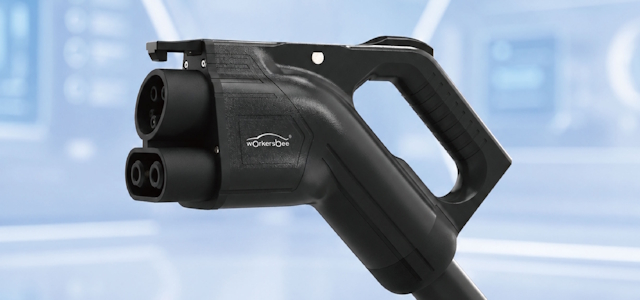
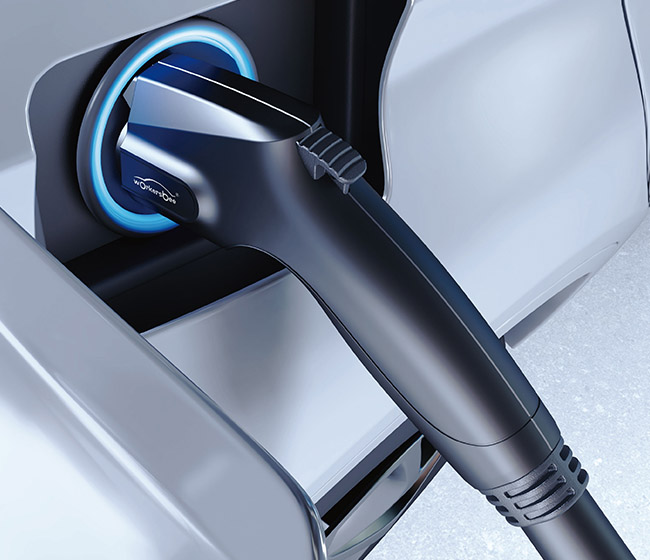
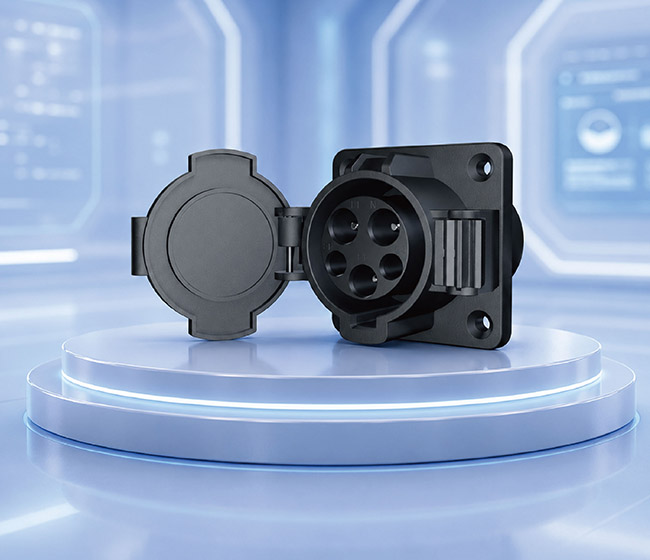
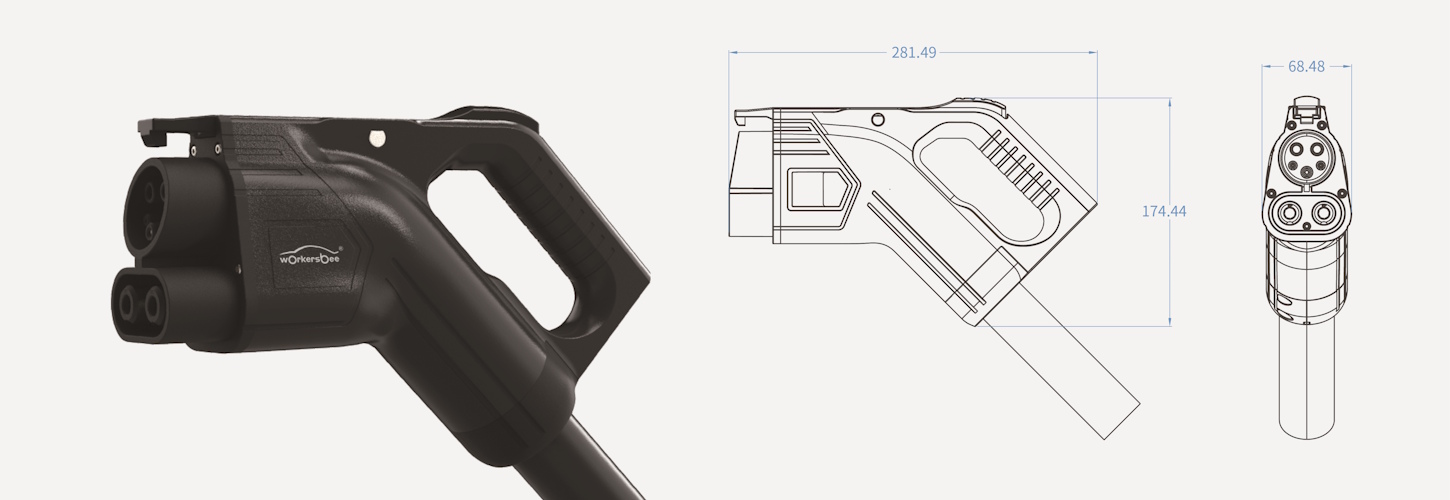
| Tipo de projeto | Produto relevante | Principais fatores de seleção | Informações a preparar |
|---|---|---|---|
| equipamento de carregamento rápido DC | Conector CCS1 com resfriamento natural | Requisitos de corrente de 125 A a 400 A, especificações do cabo, ciclo de trabalho e ambiente operacional. | Corrente e tensão alvo, comprimento do cabo, perfil de corrente e temperatura ambiente. |
| equipamento de carregamento CA | Conector CA tipo 1 G1.0 ou G2.0 | Requisitos de corrente de 16 A a 80 A, configuração do conector, especificação do cabo e ambiente de instalação. | Corrente e tensão alvo, comprimento do cabo, mercado-alvo e requisitos de certificação. |
| Integração de ar condicionado no veículo | Entrada de ar condicionado tipo 1 para veículos | Classificação de 16A ou 32A, esquema de montagem, conexão da fiação e requisitos de proteção. | Corrente e tensão alvo, dimensões ou desenho de montagem, definição da fiação e ambiente de instalação. |



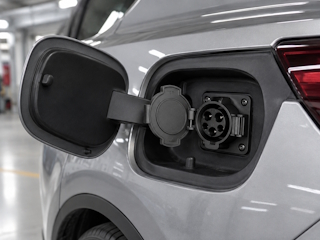


Comece considerando a corrente, a tensão e o perfil de operação esperados do carregador, em vez de selecionar a classificação mais alta disponível. As configurações disponíveis incluem 125 A, 150 A, 200 A, 250 A, 300 A, 380 A e 400 A. O comprimento do cabo, a especificação do condutor, o ciclo de trabalho, a temperatura ambiente e o projeto térmico do carregador também devem ser analisados antes de confirmar a configuração.
A substituição de um conjunto de cabos existente exige mais do que simplesmente encontrar um cabo com a mesma interface de carregamento. É necessário comparar a classificação elétrica, as especificações do cabo, a terminação no lado do equipamento, a fiação do sinal, as dimensões e o projeto de controle do carregador com o produto existente. Desenhos e amostras devem ser analisados antes de aprovar a substituição, considerando também qualquer impacto na certificação de todo o equipamento de carregamento.
Primeiramente, escolha de acordo com a corrente necessária. O conector G1.0 está disponível nas configurações de 16A, 32A, 40A e 48A, enquanto o G2.0 atende às necessidades de 16A a 80A. Após confirmar a corrente nominal, compare o formato do conector e os requisitos do cabo e, em seguida, verifique qual o modelo com certificação UL mais adequado para o projeto.
Forneça o mercado-alvo e a aplicação, o tipo de conector ou entrada necessário, a corrente e a tensão, o comprimento do cabo, o ambiente operacional e os requisitos de certificação. Para projetos de substituição, inclua o modelo ou os desenhos do produto existente. A quantidade de amostras, o volume de pedidos esperado, o destino da entrega e o cronograma do projeto também ajudarão a preparar uma cotação e um plano de amostras precisos.
Deixe um recado
Digitalizar para Wechat :

Digitalizar para WhatsApp :





 Português