 O que são um carregador de bordo e um carregador externo em um veículo elétrico?
Dec 31, 2025
Um carregador de parede pode indicar 11 kW na etiqueta, mas o consumo do seu carro fica em torno de 7 kW noite após noite. Aí você chega a um carregador rápido de 350 kW e o número na tela ainda não corresponde ao anunciado. Na maioria das vezes, nada está certo. erradoO carregamento rápido CA e CC convertem a energia em locais diferentes, portanto o gargalo se desloca.
O que significa “carregador” aqui
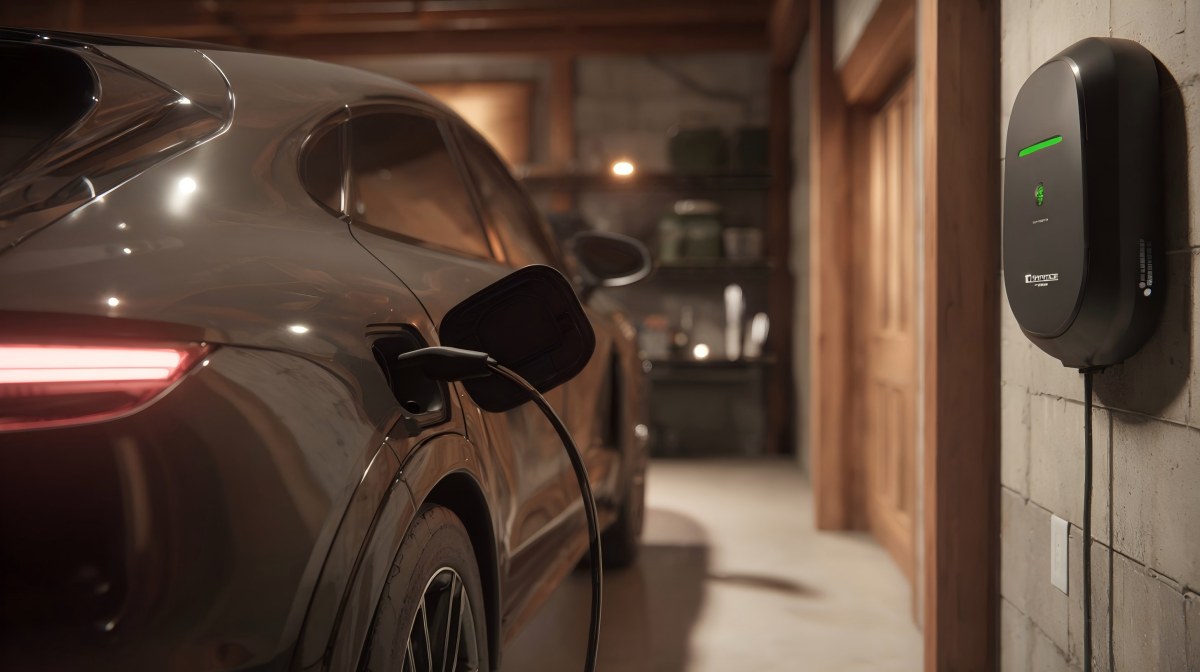
As pessoas usam o termo "carregador" para se referir ao wallbox, ao cabo ou à estação completa. No carregamento CA, o wallbox geralmente é o equipamento EVSE que fornece energia CA com segurança e controla a sessão. No carregamento CA, o conversor CA/CC está no carro (o carregador de bordo). No carregamento rápido CC, a estação realiza a conversão CA/CC e envia a corrente contínua para o carro.
Os dois caminhos de energia
caminho de alimentação de carregamento CARede elétrica → Carregador de parede/EVSE → entrada do veículo → carregador de bordo (CA→CC) → bateria
caminho de alimentação para carregamento rápido DCRede elétrica → Gabinete do carregador rápido CC (CA→CC) → Conector/cabo CC → Entrada do veículo → Bateria (o BMS controla a corrente solicitada)
Carregamento doméstico (CA): o que limita seu consumo diário de kW?
Normalmente, dois fatores limitam o carregamento em corrente alternada: o carro e o circuito.
Limite do lado do carro: classificação OBCO OBC (Original Load Balancer) possui uma entrada CA máxima que pode converter. Se a potência de carregamento aumenta e depois se estabiliza em um valor constante a cada sessão, sem nunca se aproximar da potência nominal do wallbox, geralmente é o limite do OBC.
Limite do lado doméstico: capacidade do circuito e configurações do EVSEA potência nominal de um wallbox pressupõe que o circuito elétrico seja capaz de fornecê-la e que o carregador de veículos elétricos (EVSE) esteja configurado para isso. O tamanho do disjuntor, a fiação, o comprimento do cabo e a tensão sob carga influenciam a potência que o EVSE pode efetivamente fornecer.
Monofásico versus trifásico: por que a mesma caixa de parede pode parecer "mais rápida" em um lugar do que em outroEm muitas regiões, a potência de carregamento CA depende se o carro e a instalação elétrica suportam entrada monofásica ou trifásica. Um veículo compatível com CA trifásica geralmente pode carregar a 11 kW ou 22 kW com a fonte de alimentação e o carregador EVSE adequados, enquanto uma instalação monofásica pode ter sua potência limitada mais próxima do limite de corrente do carro, mesmo que a etiqueta do carregador de parede pareça semelhante. É por isso que verificar as especificações de entrada CA do veículo e a fiação da sua instalação é tão importante quanto a potência nominal do carregador EVSE.
Carregamento rápido DC: por que o número começa alto e depois cai?
A potência CC geralmente aumenta gradualmente, atinge um pico e depois diminui. Seu carro consome alta potência somente quando a bateria pode aceitá-la com segurança. À medida que o estado de carga aumenta, a maioria dos veículos reduz a potência. A temperatura da bateria também é importante; uma bateria fria ou superaquecida geralmente limita a potência mais cedo. O local de carregamento também pode limitar a potência — seja por meio de compartilhamento de energia ou pela redução da velocidade do carregador para manter os cabos e equipamentos dentro dos limites de temperatura.
Um exemplo simples
Exemplo de especificações do veículo:
CA (residencial): OBC com potência nominal de 7,4 kW
CC (rápido): até cerca de 150 kW quando as condições são adequadas.
Em casa, você instala um wallbox com capacidade para 11 kW. Mesmo assim, você vê cerca de 7 kW porque o OBC define o limite máximo.
Na estrada, você carrega em uma estação de 350 kW. Com um nível de carga baixo e a bateria em uma boa faixa de temperatura, a potência pode subir perto do limite do carro (cerca de 150 kW neste exemplo). À medida que a bateria carrega ou aquece, o carro reduz a potência gradualmente.
Em corrente alternada (CA), você geralmente está limitado pelo computador de bordo (OBC) ou pelo circuito. Em corrente contínua (CC), você está limitado pela curva de carga do carro e pelas condições da bateria — mesmo que a estação tenha uma classificação superior.
A bordo versus fora do bordo, lado a lado
Tópico
Carregador de bordo (OBC)
Carregador externo (carregador rápido DC)
Localização
Dentro do carro
Dentro do gabinete da estação de carregamento
O que faz
Converte corrente alternada (CA) em corrente contínua (CC) para a bateria.
Converte a energia da rede elétrica em corrente contínua (CC) e envia CC para o carro.
Quando isso importa
Carregamento CA (casa/trabalho)
Carregamento rápido DC (estações públicas)
O que geralmente limita o poder
Classificação OBC em kW, suporte de fase/corrente CA, circuito residencial
Curva de aceitação do veículo, temperatura da bateria, SOC (estado de carga) e limites do local.
O que verificar nas especificações
Potência máxima de carregamento CA (OBC kW)
Potência máxima de carregamento CC; tempo de 10 a 80%, se indicado.
Descubra seu limite real na ficha técnica.
Lado do veículo
Potência do OBC (kW) ou potência máxima de carregamento CA
Detalhes da corrente alternada (monofásica vs trifásica, corrente alternada máxima)
Potência máxima de carregamento CC (kW)
Tipo de entrada de ar utilizada na sua região (compatibilidade, não “kW extra”)
time da casa
Classificação do disjuntor e pressupostos de carga contínua
Configuração de corrente do EVSE (algumas unidades são ajustáveis)
Comprimento do cabo e qualidade da instalação (cabos longos podem reduzir a tensão sob carga)
O que fazer com o que você encontrar
O limite é o OBC → um wallbox maior não tornará o carregamento CA mais rápido
O circuito é o limite → trabalhos de fiação/disjuntor/painel podem aumentar a velocidade de carregamento CA
A aceitação ou as condições de corrente contínua (CC) são o limite → concentre-se na temperatura da bateria, na faixa de SOC (estado de carga) e na escolha de estações que correspondam à capacidade do seu carro.
Uma breve nota sobre alças de corrente contínua e cabos grossos.O carregamento rápido em corrente contínua (CC) utiliza corrente e gera calor muito maiores do que o carregamento em corrente alternada (CA), portanto, os cabos são mais pesados e os conectores precisam de um monitoramento de temperatura robusto. Se você estiver especificando hardware para CC, priorize um design de contato estável, sensores de temperatura confiáveis e desempenho térmico consistente, pois o calor é a principal limitação em altas correntes. Para equipes que buscam componentes, opções como Conectores de carregamento CC Workersbeepodem ser avaliados em relação a esses requisitos térmicos e de sensoriamento.
Perguntas frequentes
O carregador é o wallbox ou o carregador fica dentro do carro?No carregamento em corrente alternada (CA), o wallbox geralmente é o equipamento de fornecimento de energia para veículos elétricos (EVSE), responsável por fornecer e controlar a energia CA. O carregador de bordo do carro normalmente realiza a conversão de CA para CC para a bateria.
O carregamento rápido em corrente contínua utiliza o carregador integrado do veículo?Na maioria dos casos, não. O carregamento rápido em corrente contínua (CC) envia corrente contínua da estação para o veículo, e o computador de bordo (OBC) é amplamente ignorado.
Por que dois carros carregam de forma diferente no mesmo carregador doméstico para veículos elétricos?Eles podem ter classificações OBC diferentes e limites de entrada CA diferentes. O EVSE pode fornecer a mesma energia CA, mas cada carro a converte e a aceita de maneira diferente.
Potência de pico (kW) versus tempo de 10–80%: o que devo comparar?O pico de potência (kW) é um breve instante em condições ideais. O período de 10 a 80% costuma ser uma métrica de planejamento melhor, pois reflete a redução gradual da potência sob condições reais de carregamento.
Adaptadores podem aumentar a velocidade de carregamento?Adaptadores podem alterar a compatibilidade física. Eles não aumentam a classificação do computador de bordo (OBC) do carro nem seus limites de aceitação de corrente contínua (CC).
É possível fazer um upgrade do carregador de bordo?Para a maioria dos veículos, não se trata de uma atualização prática, pois já está integrada à eletrônica de potência e ao projeto térmico do veículo.
O que significa, na prática, carregamento bidirecional a bordo?Significa que o carro também pode enviar energia de volta, não apenas carregar. O funcionamento depende do modelo do seu carro e dos equipamentos que você conectar a ele.
LEIA MAIS



 Contate-nos


 IPv6 SUPORTADO POR REDE
 Português